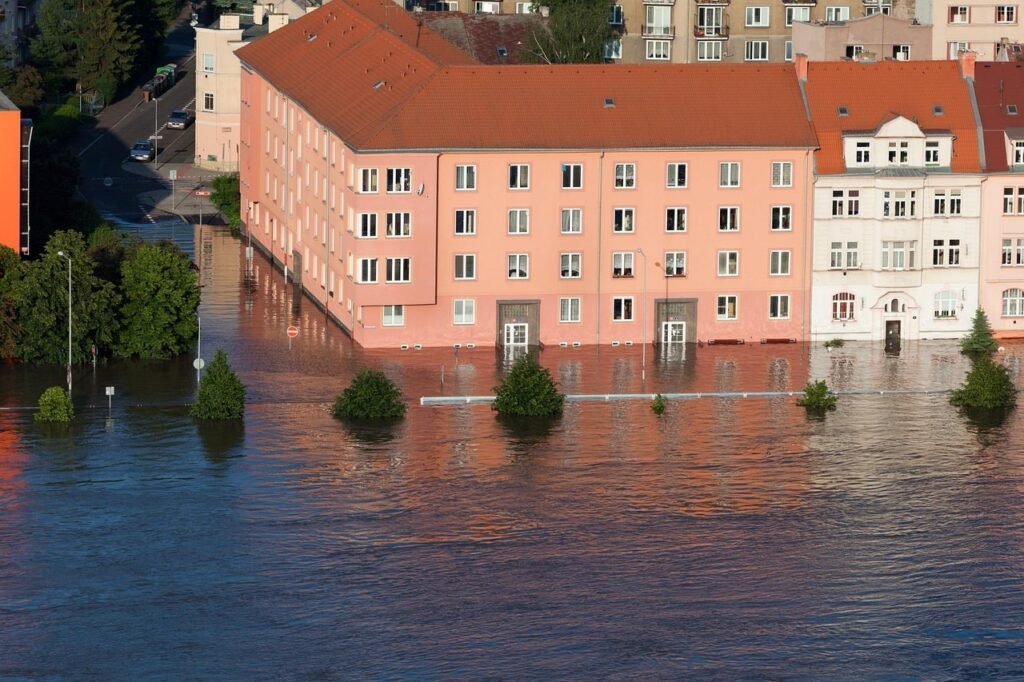
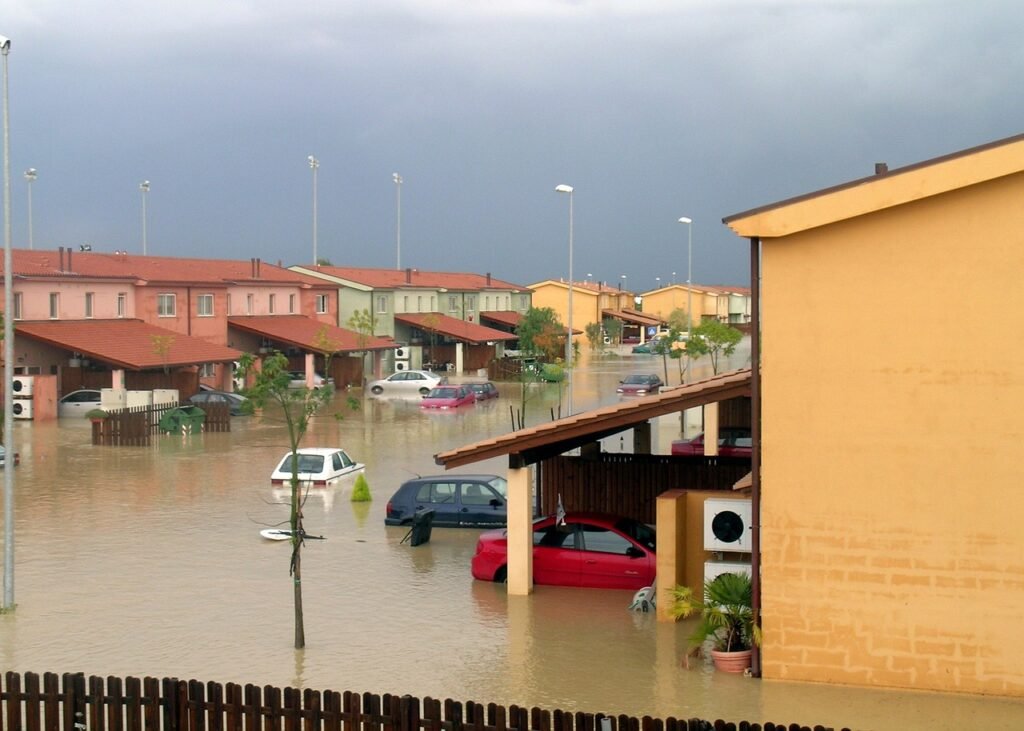
Securing an accurate flood insurance quote is a vital step for property owners who live in zones vulnerable to overflowing rivers, heavy coastal storms, or sudden local flash flooding. Standard homeowners policies explicitly exclude rising surface water, meaning that without a dedicated policy, homeowners face total financial ruin after a disaster. Requesting a policy requires balancing annual premiums, out-of-pocket deductibles, and structural limits to ensure true financial protection.
Understanding how underwriters calculate risk helps buyers avoid paying excessive rates while maintaining sufficient coverage for their property. Because water damage remains the most common natural disaster across the United States, evaluating protection options carefully prevents costly gaps in coverage.
Key takeaways
- Standard home insurance never covers rising groundwater or surface floods.
- Risk ratings rely heavily on FEMA zone maps and foundation types.
- Higher deductibles directly lower your annual premium costs.
Jump to a section:
- Gathering the Correct Documentation Before You Shop
- Misunderstanding How Deductibles Impact Your Annual Premium
- Overlooking Critical Exclusions Within Your Policy Language
- Ignoring the Impact of Community Rating System Discounts
- Falling for Common Myths About Government and Private Options
- Failing to Compare Multiple Options Before Buying
- Misjudging Structural Versus Contents Coverage Needs
- Selecting Inadequate Coverage Limits for Your Property
- Overlooking Red Flags When Reviewing Policy Documents
- Securing Your Final Flood Insurance Quote and Managing Claims
- Frequently Asked Questions About Policies
- More Help
Gathering the Correct Documentation Before You Shop
Property owners often rush into requesting a policy without having crucial building details ready, which leads to inaccurate estimates. An official elevation certificate remains the single most important document for determining your property risk level. Without this survey, insurers often default to high-risk assumptions that inflate your initial pricing.
Reviewing previous loss history and construction permits also ensures that your application matches municipal records. Lenders and carriers verify these details rigorously before issuing a binding contract.
Here is a detailed guide to what you need to review before submitting an application:
| Item to Check | Why It Matters | Where to Look |
|---|---|---|
| Elevation Certificate | Establishes the lowest floor elevation relative to base flood levels. | Local county surveyor or private land surveyor. |
| Foundation Type | Crawlspaces and basements face different risk factors than slab foundations. | Architectural blueprints or physical home inspection. |
| Claims History | Prior payouts can trigger repetitive loss status and higher pricing. | Past insurance records or national database reports. |
Misunderstanding How Deductibles Impact Your Annual Premium
Many buyers make the mistake of selecting the lowest possible deductible without realizing how drastically it increases their yearly bills. Choosing separate deductibles for building and contents allows you to customize your financial exposure. Balancing these figures requires assessing your liquid savings against potential disaster cleanup expenses.
Adjusting these thresholds can yield substantial savings over the lifetime of the policy if you can comfortably cover a larger out-of-pocket expense during a crisis. Reviewing how to save on insurance can provide broader financial context for balancing deductibles across multiple policies.
The following breakdown highlights various optimization methods:
| Savings Method | Effort Level | Savings Potential | Primary Trade-Off |
|---|---|---|---|
| Raising Deductibles | Low | Moderate to High | Higher out-of-pocket costs during a claim. |
| Venting Crawlspaces | High | High | Significant upfront renovation expense. |
| Elevating Machinery | Moderate | Moderate | Disruption to utility systems during installation. |
Overlooking Critical Exclusions Within Your Policy Language
Policies featuring a standard flood insurance quote do not cover every single type of water damage or property loss on your land. Detached structures such as detached garages, swimming pools, and landscaping features are often excluded or subject to strict sub-limits. Furthermore, living expenses like temporary hotel stays while your home is uninhabitable are never covered under federal flood programs.
Basement rooms face severe limitations regarding what contents are protected below the lowest elevated floor. Understanding these boundaries prevents devastating surprises when filing a claim after a severe weather event.
Ignoring the Impact of Community Rating System Discounts
Municipalities that invest in floodplain management, storm drainage improvements, and public outreach earn credits through specific national programs. These community efforts directly reduce the cost of a flood insurance quote for every resident within that jurisdiction. Homeowners frequently forget to ask their agent whether their specific address qualifies for these localized community discounts.
Verifying your town or county participation status with local zoning boards ensures you capture every available credit. Neglecting this step means paying higher rates than your neighbors for identical structural exposure.
Falling for Common Myths About Government and Private Options
A widespread misconception assumes that federal programs are the only available choice for property owners seeking coverage. In reality, private insurance markets now offer competitive alternatives with higher coverage limits and specialized endorsements. Believing that private options are universally unaffordable prevents many buyers from finding better value.
It is also false that properties outside high-risk coastal zones do not need coverage, given that a significant percentage of flood claims originate in moderate-to-low risk areas. Consulting resources from organizations like the National Association of Insurance Commissioners can help clarify regulatory standards across different provider types.
Failing to Compare Multiple Options Before Buying
Accepting the very first estimate you receive often results in overpaying for inadequate protection. Shopping around allows you to evaluate different carrier deductibles, policy limits, and customer service reputations side by side. Securing a reliable flood insurance quote requires collecting multiple proposals to find the optimal balance of coverage and cost.
Evaluating independent brokers versus captive agents expands your access to both government-backed and private-market alternatives. Taking time to review your broader financial strategy, including exploring options via resources like best-life-insurance and term-vs-whole-life-insurance, helps keep your household budget balanced.

Misjudging Structural Versus Contents Coverage Needs
Property owners often purchase building coverage while completely neglecting the value of their personal belongings stored inside. A comprehensive flood insurance quote breaks down protection into distinct categories for your physical dwelling and your interior possessions. Failing to insure contents adequately leaves you paying out of pocket to replace furniture, electronics, and clothing after water invades your living space. For a related angle, see our guide on long term care insurance cost. For a related angle, see our guide on choose international travel medical insurance.
Calculating the true replacement cost of your belongings requires conducting a detailed home inventory before contacting an agent. Choosing between actual cash value and replacement cost settlement methods significantly changes your payout amount when disaster strikes.
Selecting Inadequate Coverage Limits for Your Property
Another major misstep involves capping your policy limits at the bare minimum required by your mortgage lender. Standard caps often fall short of covering the full cost of rebuilding a heavily damaged home in today’s construction market. Reviewing your local building costs ensures your structural limits reflect realistic contractor and material pricing.
The table below compares three common tiers of coverage limits and their implications:
| Coverage Tier | What Each Covers | Cost Impact | Best For |
|---|---|---|---|
| Basic | Structural framework only up to mandatory minimums. | Lowest | Borrowers meeting strict lender requirements on a budget. |
| Standard | Structure plus basic personal contents protection. | Moderate | Average homeowners seeking balanced risk management. |
| Comprehensive | Maximum structural limits and full replacement contents. | Highest | High-value properties in high-risk coastal or river zones. |
Overlooking Red Flags When Reviewing Policy Documents
Spotting hidden traps in your paperwork prevents disputes later when you need financial relief most. Red flags to watch for include unverified elevation data, unexpected surcharges, and restrictive endorsement clauses that exclude specific rooms or additions.
Here are the primary warning signs to look out for during your review:
- Unexplained rate spikes that do not match local zone adjustments.
- Missing credits for mitigation steps like backflow valves or sump pumps.
- Ambiguous wording regarding detached structures or subterranean spaces.
- Discrepancies between your property deed square footage and policy application limits.
Securing Your Final Flood Insurance Quote and Managing Claims
Finalizing your policy involves confirming all mitigation efforts are properly documented and submitting your signed agreement along with the initial premium payment. Once active, maintaining clear records of your home contents and structural upgrades simplifies the claims process if water damage ever occurs. Knowing how to secure a proper flood insurance quote protects your long-term financial stability against unpredictable weather patterns.
Key takeaways
- Always obtain multiple proposals before binding your policy.
- Keep an updated home inventory for seamless contents claims.
- Verify that your elevation certificate matches official municipal records.
Frequently Asked Questions About Policies
What triggers a mandatory purchase requirement?
Lenders legally require coverage if your structure sits within a designated high-risk Special Flood Hazard Area and you carry a federally backed mortgage. Properties outside these zones can still purchase policies voluntarily at preferred rates.
Does standard homeowners insurance cover water damage?
Standard home policies cover internal plumbing leaks and sudden pipe bursts, but they strictly exclude surface water, heavy rains, and rising groundwater. A separate specialized policy is mandatory for external water protection.
How does an elevation certificate change my pricing?
This official document proves how high your lowest living floor sits relative to base flood elevation standards. Properties built well above the base level qualify for significantly lower annual premiums.
Can renters purchase contents-only policies?
Renters cannot insure the physical building structure, but they can purchase affordable contents coverage to protect their personal belongings. This ensures furniture, clothing, and electronics are covered during severe weather events.
How long is the typical waiting period before coverage begins?
Most policies enforce a standard thirty-day waiting period before taking effect to prevent last-minute purchases during an approaching storm. Exceptions apply primarily when purchasing a home or refinancing an existing mortgage.
Are finished basements fully covered by standard policies?
Basements and below-grade enclosures face strict coverage limitations regarding structural improvements and interior contents. Essential equipment like heating units may be covered, but finished flooring and personal items are often restricted.
What is the difference between replacement cost and actual cash value?
Replacement cost pays the expense of buying new items without deducting for depreciation, while actual cash value factors in wear and tear over time. Choosing replacement cost yields higher claim payouts but slightly increases your premium.
Can I switch providers after my policy is active?
You can switch providers at any time, though you should coordinate carefully to avoid any lapse in continuous coverage. Reviewing cancellation terms ensures you receive any eligible pro-rated premium refunds.
Where can I learn more about community mitigation credits?
Your local municipal planning office or building department can provide details on community rating system participation and local hazard mitigation projects. Participating towns offer direct savings to all resident policyholders.
More Help
Related reading on this site: term versus whole life, tips for lowering what you pay, our life insurance picks. You can also check consumer protection information at NAIC.
This article is general information, not insurance, tax, legal or financial advice. Prices and limits mentioned are illustrative and change often, so confirm current figures with the insurer or a licensed professional before you buy.