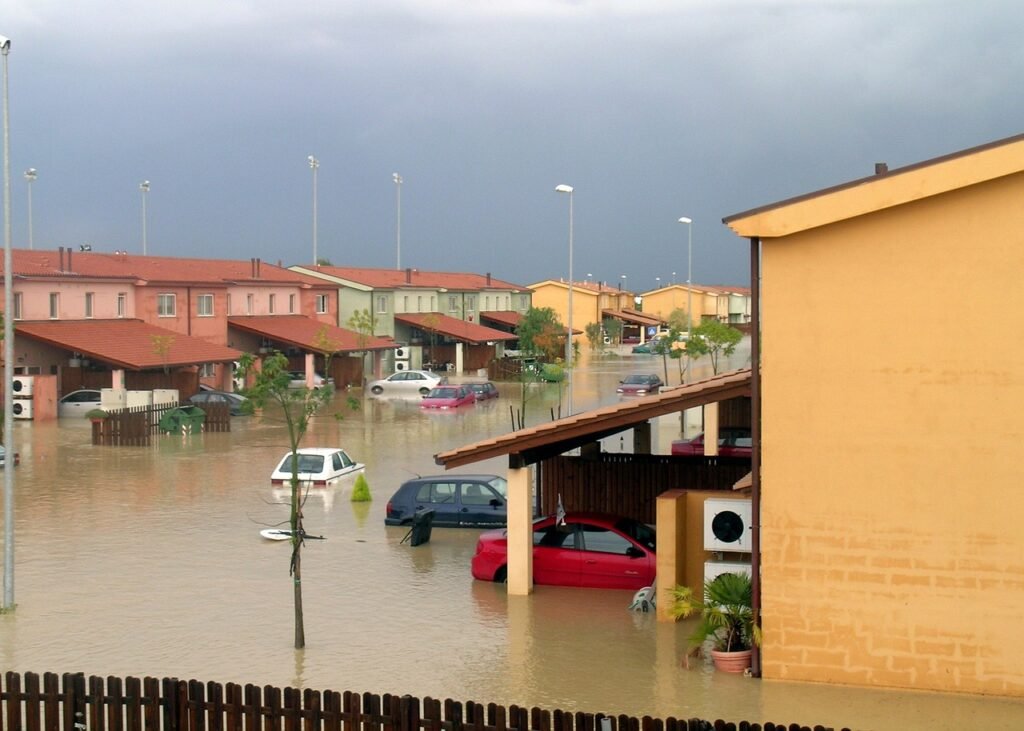

Most people spend more time comparing phones than they spend comparing Flood Insurance Florida, yet the policy you pick can affect your finances for years. This guide breaks the subject into plain language: what the coverage does, what drives the price, and how to compare quotes so you pay for protection you need and skip what you do not.
What you will find here:
- Why Flood Insurance Florida Matters in 2026
- What Drives the Price
- Proven Ways to Save
- Quote Comparison Checklist
- Coverage Levels Compared
- What You Need to Know About Flood Insurance Florida
- Protecting Yourself From Scams and Misleading Quotes
- Reading the Fine Print: Exclusions, Limits, and Renewal Terms
- Reviewing Your Coverage Every Year
- How Location, History, and Personal Details Shape Your Rate
- Budgeting Premiums Without Stretching Your Finances
- Keeping Your Records and Documents Organized
- Why an Independent Agent or Broker Can Help
- Bundling, Discounts, and Loyalty: What Is Actually Worth It
- Final Thoughts on Flood Insurance Florida
- Frequently Asked Questions
- Keep Reading
Why Flood Insurance Florida Matters in 2026
Rules, prices, and options for Flood Insurance Florida keep changing, which makes 2026 a good moment to review your choices. Understanding Flood Insurance Florida now helps you avoid paying for protection you do not need and spot gaps before they become expensive. Think of Flood Insurance Florida as a financial safety net: the better it fits your situation, the less stress you carry later.
What Drives the Price
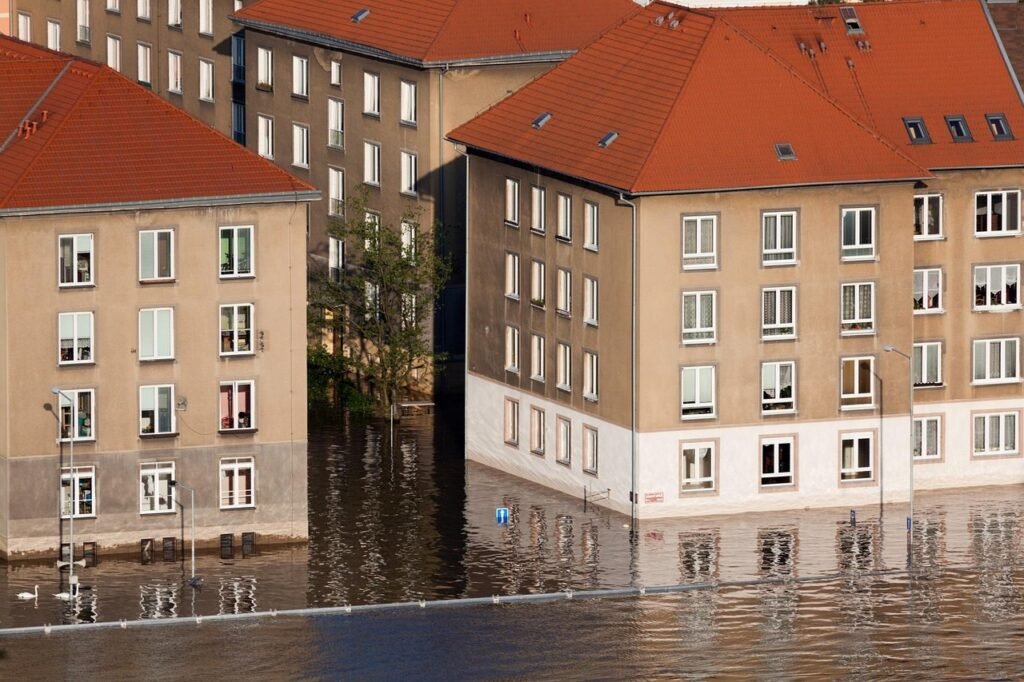
Insurers price Flood Insurance Florida by estimating risk. Common factors include your location, your claims history, the value of what you insure, your chosen deductible, and in many states your credit-based insurance score. You cannot change all of these, but you can influence several, such as the deductible, discounts, and the way you bundle policies.
Proven Ways to Save
The most reliable savings come from shopping around, because insurers weigh risk differently and the same profile can produce very different quotes. Other levers include bundling policies, raising your deductible if you have an emergency fund, asking about discounts, and reviewing coverage after life changes. Read our guide on how to save on insurance for a full checklist.
| Method | Effort | Savings Potential | Trade-off |
|---|---|---|---|
| Compare 3+ quotes | Low | Often significant | Takes an hour of your time |
| Bundle policies | Low | Moderate | Check the bundle is actually cheaper |
| Raise the deductible | Low | Moderate | Higher cost when you file a claim |
| Ask for every discount | Medium | Small to moderate | Requires documentation |
Quote Comparison Checklist
To compare quotes fairly, make sure each one uses the same limits and deductibles. Then check the insurer’s financial strength and complaint record, which you can research through the NAIC, and confirm what the exclusions are.
| Item To Check | Why It Matters | Where To Look |
|---|---|---|
| Limits and deductible | Makes quotes comparable | Declarations page |
| Exclusions | Shows what is not covered | Policy contract |
| Financial strength | Indicates ability to pay claims | A.M. Best ratings |
| Complaint record | Signals claims experience | State insurance department |

Coverage Levels Compared
Most policies come in tiers. A basic level satisfies legal or lender requirements, a standard level protects your main assets, and a comprehensive level adds extras. The right choice depends on what you could afford to replace out of pocket.
| Level | What It Covers | Cost Impact | Best For |
|---|---|---|---|
| Basic | Minimum required protection | Lowest premium | Meeting legal or lender requirements |
| Standard | Main risks with moderate limits | Moderate premium | Most households |
| Comprehensive | Broad protection and add-ons | Highest premium | Higher-value assets or low risk tolerance |
What You Need to Know About Flood Insurance Florida
Insurance is a risk-transfer agreement: you pay a premium, and the insurer agrees to pay for covered losses up to the policy limit. Understanding three terms makes every quote easier to read: the deductible (what you pay first), the limit (the most the insurer pays), and the exclusions (what is not covered).
Protecting Yourself From Scams and Misleading Quotes
Be cautious of ads that promise guaranteed approval at unbelievably low prices, or sellers who pressure you to pay immediately. Confirm that any agent or company is licensed in your state through your state insurance department, and never share sensitive details on an unverified website. When a deal seems too good to be true, it usually leaves out limits or exclusions that matter. A closely related read is our piece on dental and vision insurance plans. For a related angle, see our guide on private mortgage insurance pmi.
Reading the Fine Print: Exclusions, Limits, and Renewal Terms
Before you sign, read the exclusions, sub-limits, and renewal terms. Exclusions describe what the policy will not pay for, sub-limits cap certain categories below the main limit, and renewal terms explain whether the premium can rise at the next period. A few minutes with the contract can prevent a painful surprise when you need the coverage most.
Reviewing Your Coverage Every Year
Your needs change, so your policy should too. An annual review lets you adjust coverage after raises, new debts, a growing family, or a move. It is also the best moment to re-shop the market, because loyalty does not always earn the lowest rate. Put a reminder on your calendar a month before renewal so you have time to compare without pressure.
How Location, History, and Personal Details Shape Your Rate
Insurers price Flood Insurance Florida using patterns, so the details you provide matter. Where you live affects local risk, your claims history signals how often you may file, and in many states your credit-based insurance score plays a role. You cannot change your address overnight, but you can keep records clean, correct errors on your reports, and ask each insurer which factors it weighs most.
Budgeting Premiums Without Stretching Your Finances
Treat insurance as a fixed cost in your monthly budget, just like rent or utilities. A good guide is to protect against losses you cannot afford while self-insuring small ones with an emergency fund. Paying annually instead of monthly sometimes removes fees, and automatic payments help you avoid a lapse in coverage, which can be expensive to repair.
Keeping Your Records and Documents Organized
Store a copy of your policy contract, declarations page, and receipts in one secure place, and share the location with a trusted family member. Photos and an inventory list make claims easier, and a note of your agent’s contact details saves time in an emergency. Good documentation is the cheapest way to make any future claim smoother and faster.
Why an Independent Agent or Broker Can Help
A licensed independent agent can request quotes from several insurers at once and explain trade-offs in plain language. Ask how the agent is compensated and whether they can show multiple carriers. Online comparison tools are also useful, but a human expert can spot gaps, suggest discounts, and help with paperwork when your situation is more complicated than a standard form.
Bundling, Discounts, and Loyalty: What Is Actually Worth It
A bundle discount only helps if the combined price beats separate quotes, so always compare both. Ask about automatic payment, paperless billing, safety features, professional memberships, and multi-policy savings. Loyalty rarely earns the best price, because insurers often raise rates slowly on long-time customers, which is why checking the market at renewal is a habit that pays for itself. For a related angle, see our guide on long term care insurance cost. You may also want to read about choose international travel medical insurance.
Final Thoughts on Flood Insurance Florida
The best approach to Flood Insurance Florida is simple: define what you need to protect, compare several quotes using identical terms, and verify the insurer’s financial strength. Revisit your decision every year, because Flood Insurance Florida that fit last year may not fit your life or budget today. Take the next step by requesting quotes and reading the policy terms carefully before you commit.
Frequently Asked Questions
How do I get the best price on Flood Insurance Florida?
Compare at least three quotes with identical limits and deductibles, ask about discounts, and consider bundling policies with the same insurer.
How often should I review my policy?
Review it at every renewal and after major life events such as moving, buying a vehicle or home, marriage, or having a child.
What information do I need to get an accurate quote?
Have your date of birth, address, income or property details, current coverage, and claims history ready. The more accurate your answers, the closer the quote will be to the final price.
What is the difference between a deductible and a limit?
The deductible is what you pay before the insurer pays. The limit is the most the insurer will pay for a covered loss.
How do I check whether an insurer is financially strong?
Look up its financial strength rating at A.M. Best and review its complaint record through your state insurance department or the NAIC. Higher ratings suggest a better ability to pay claims.
What is the difference between a premium and a deductible?
The premium is the regular price you pay to keep coverage active. The deductible is the amount you pay yourself before the insurer starts paying on a covered claim.
How do I file a claim?
Contact your insurer as soon as possible, document the loss with photos or records, keep receipts, and follow the instructions your claims adjuster gives you. Prompt, well-documented claims tend to move faster.
Do I need an agent, or can I buy online?
Both work. Online tools are fast and convenient, while a licensed independent agent can compare several insurers and spot gaps in complicated situations.
Keep Reading
For independent facts, A.M. Best publishes insurer financial strength ratings. Our own guides, such as tips for lowering what you pay, can help too.
Heads up: the figures above are examples to help you compare, not quotes. Get quotes from licensed providers before making a decision.